
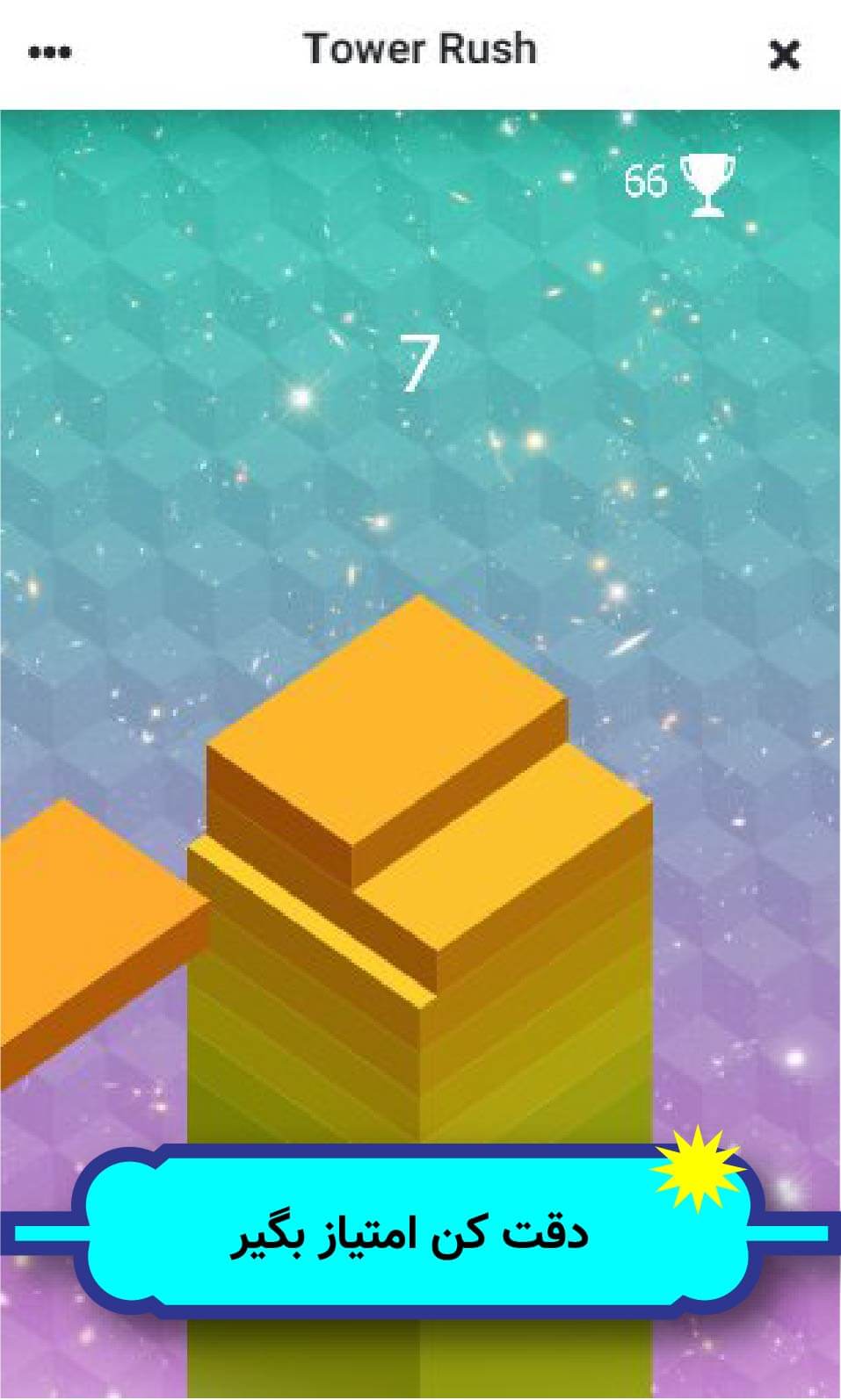
If you’ve ever thought about the true test of stamina and ability in cycling, the Biking Race Pit Stop Tower Rush Match Competition in the United Kingdom might just interest you. Imagine navigating a picturesque 50-mile route with surprising challenges at each rest stop. As bikers confront packed lines and limited supplies, the excitement builds. Are you prepared for not just the ride, but the unique challenges that await? Let’s explore what makes this event a standout adventure. Tower Rush Game Experience
Key Takeaways
- The Biking Race Pit Stop Tower Sprint Game involves competitors in a competitive challenge to effectively manage supplies at pit stops during races.
- Competitors face obstacles such as lengthy lines and scarce supplies while navigating pit stops, mimicking real race conditions.
- Strategic preparation and collaboration are essential for successfully completing tasks at rest stops, enhancing the overall competition adventure.
- Local businesses can support rest stops, supplying resources while fostering community participation and cooperation during the occasion.
- Volunteer involvement is crucial for organizing rest stops, ensuring smooth functioning, and creating a memorable experience for competitors and viewers alike.
Overview of the Competition
Biking competitions in the United Kingdom draw numerous enthusiasts and seasoned cyclists alike, displaying a dynamic mix of skill and passion.
Whether you’re a viewer or a participant, you’ll find occasions tailored to all skill levels and backgrounds. From picturesque countryside routes to demanding city courses, these competitions provide something for everyone.
You’ll encounter a lively environment filled with cheering audiences and the thrill of contest. Riders put their skills to the challenge, traversing through diverse landscapes while pushing their boundaries.
The sense of camaraderie among competitors is tangible, creating a distinctive atmosphere where bonds flourish.
Exploring different races across the UK reveals vibrant local cycling cultures, encouraging you to dive into the exhilarating world of cycling events.
Competition Format and Rules
While competing in a cycling race, you’ll swiftly observe that each event follows a specific format and set of rules designed to ensure equity and security.
Generally, racers are classified based on age and ability, with staggered starts to reduce congestion. You’ll need to wear a helmet and complete a bike inspection before competing, ensuring your gear meets the necessary standards.
Drafting behind another rider is allowed, but forceful tactics like bumping are firmly prohibited. Throughout the race, you must stay on assigned paths and adhere to all posted signage.
In the event of a technical problem, you can get assistance from designated support teams without consequence. Ultimately, adherence to these rules aids preserve a challenging yet respectful environment for all participants.
Route and Course Details
When preparing your route for the cycling race, you’ll want to take into account the course length and terrain thoroughly.
Knowing important waypoints and rest stops will help you pace yourself and stay energized throughout the event.
Let’s analyze these important details so you’re fully prepared for the test ahead.
Course Length and Terrain
As you prepare for the cycling race competition in the UK, understanding the course length and terrain is vital for your strategy. The course covers approximately 50 miles, including a mix of flat stretches and demanding hills. You’ll need to manage your energy wisely, as the undulating terrain can challenge your endurance.
Keep an eye out for sharp turns and technical descents that require precise handling skills. The combination of urban roads and open countryside means you must be flexible.
Weather can change rapidly, too, which impacts road grip and visibility. Familiarizing yourself with these elements will help you position yourself efficiently in the pack.
Ultimately, your performance depends on mastering both the distance and the varied landscape.
Key Waypoints and Rest Stops
Along the 50-mile course, several key waypoints and rest stops will help maintain your energy and rhythm. Each stop is strategically placed to aid your performance and recharge when you need it most.
You’ll encounter the first rest stop at the 15-mile mark, offering snacks, hydration, and a chance to stretch. The second stop, around mile 30, features a selection of energy gels and electrolyte drinks to keep you energized.
A final waypoint at mile 45 allows you to catch your breath before pushing toward the finish line. Pay attention to these locations, as they’re crucial for optimizing your pace and improving your overall race experience.
Stay focused, and make the most of these essential breaks!
Challenges at Rest Stop Towers
While cyclists eagerly look forward to the chance to refuel and recharge, challenges at rest stop towers can turn a brief respite into a source of frustration. You might find yourself navigating crowded lines, waiting for snacks and drinks while every minute ticks by.

Limited supplies can leave you scrambling to find what you need, and missing out on that crucial energy boost. Then there are the variable weather conditions, which can make the stop feel less inviting.
If the tower lacks adequate seating or shelter, it becomes uncomfortable to rest. Additionally, poor organization can lead to confusion, slowing you down and impacting your overall performance in the race.
Each of these challenges can assess your endurance and tenacity in the heat of rivalry.
Skills Required for Participants
To succeed in a bicycle competition, you need a well-rounded set of abilities that goes beyond just fast pedaling. First, you must hone bike handling. Handling sharp corners and barriers is crucial for keeping speed.
Secondly, resilience plays a important role; you need to develop stamina to endure long distances. Don’t undervalue the value of rhythm—knowing how to allocate your strength throughout the race can make all the difference.
Additionally, mental toughness is vital. Staying concentrated and upbeat, even when fatigue sets in, will keep you driven.
Lastly, teamwork can’t be overlooked; communicating and collaborating with fellow racers can enhance your plan.
Refine these abilities, and you’ll be well on your way to participating triumphantly.
Points System and Scoring
Understanding the point structure is crucial for your achievement in cycling races.
You’ll face a scoring mechanism that rewards not just your finish position but also presents additional scoring opportunities throughout the event.
Let’s explain how this scoring mechanism functions and what you need to know to maximize your points.
Scoring Mechanism Explained
The points system in UK cycling races relies on a points system intended to acknowledge both reliability and achievement. You’ll gain points based on your placement in each race, with top ranks offering more marks.
For instance, ending in the top three spots often earns you the most points, while lower placements provide limited points.
Additionally, the events might’ve several phases, and your accumulated points throughout these phases contribute to your final position. This means that reliability across races counts; it’ll yield results if you steadily place in the leading positions.
You’ll want to maintain an eye on the leaderboard, as those points can make or break your chance for the championship after the final race.
Bonus Point Opportunities
In addition to standard points awarded for finishing positions, cyclists can increase their scores through bonus point opportunities. You’ll find these opportunities scattered throughout the course.
For instance, reaching designated checkpoints within a certain time frame can gain you extra points. You could also collect bonus points for completing challenges, like sprinting or navigating difficult terrain.
Don’t forget the power of teamwork! If you collaborate with fellow cyclists to achieve group goals, there are additional points up for grabs.
Timing your efforts tactically can make a big difference. By staying aware of these opportunities, you can maximize your score and improve your overall performance.
Keep an eye out, and capitalize on every opportunity to rack up those crucial bonus points!
Community Engagement and Support
Community engagement plays a crucial role in the success of cycling races across the UK. When you involve local businesses, schools, and community groups, you create a supportive environment that motivates both participants and spectators. This collaboration fosters excitement and builds a sense of ownership among the community.
By volunteering or donating supplies, residents can make the event more pleasant for everyone involved. You’ll notice how local cheer squads motivate cyclists to persevere through tough moments as they pass by.
Moreover, engaging the community promotes a healthier lifestyle, motivating more people to adopt cycling as a daily activity. Ultimately, when you help nurture this connection, you’re laying the groundwork for future events and strengthening community ties, making the race even more memorable.
Preparing for the Event
As anticipation builds from the local support, preparing for the cycling event becomes crucial.
First, inspect your gear; ensure your bike’s in excellent condition and that you’ve got the necessary tools for any last-minute adjustments.
Next, gather your team and assign roles for the day; clear communication will keep everything running seamlessly.
Don’t forget to register everyone involved and secure necessary permits for rest stops.
Additionally, reach out to local businesses for support and supplies to make the event unforgettable.
Create a timeline leading up to the competition date, including milestones for tasks.
Finally, engage with volunteers to help set up and manage the rest stops.
With comprehensive preparation, you’ll all enjoy a fantastic cycling race experience!
Frequently Asked Questions
What Age Groups Can Participate in the Competition?
You can participate if you’re between 12 and 60 years old. It’s fantastic to see a range of ages joining in! Make sure to check the specific requirements for your age group before signing up.
Are There Any Registration Fees for Entrants?
Yes, there are registration fees for entrants. You’ll need to check the specific amount on the official website. Make sure to budget accordingly, as fees can differ depending on your age group and entry choice.
Can Teams of Cyclists Compete Together?
Absolutely, you can form teams of cyclists to compete together. This teamwork improves strategy and performance. Just ensure everyone’s registered correctly and understands the rules to make the most of your group effort!
What Kind of Bicycles Are Allowed in the Race?
In the race, you can use road bikes, hybrids, or mountain bikes, but they must meet specific regulations. Check the event rules for restrictions on gear, weight, and modifications to ensure your bike’s in compliance.
Is There a Limit on the Number of Participants?
Yes, there’s typically a cap on participants, so you’ll enroll early. Check the event specifics for the exact cap, as it can vary based on the event coordinators and site.
Conclusion
In summary, the Cycling Race Rest Stop Tower Rush is not only about riding; it’s a exciting combination of fun, test, and camaraderie. As you gear up for this one-of-a-kind event, keep in mind that every push matters and every rest stop offers an chance to display your skills. Accept the camaraderie, push your boundaries, and enjoy the journey through the picturesque landscape. So, prepare to race and create memorable memories with fellow bikers!